Articles
Questions about oats, fibre, wholegrains and food labels, answered near the top of the page and checked against UK guidance.
- Oats
Is oat milk healthy? What to check on the carton
It can be, as long as you pick an unsweetened, fortified one and know what it does not replace. Protein is the biggest gap, and iodine the one most people have never thought about.
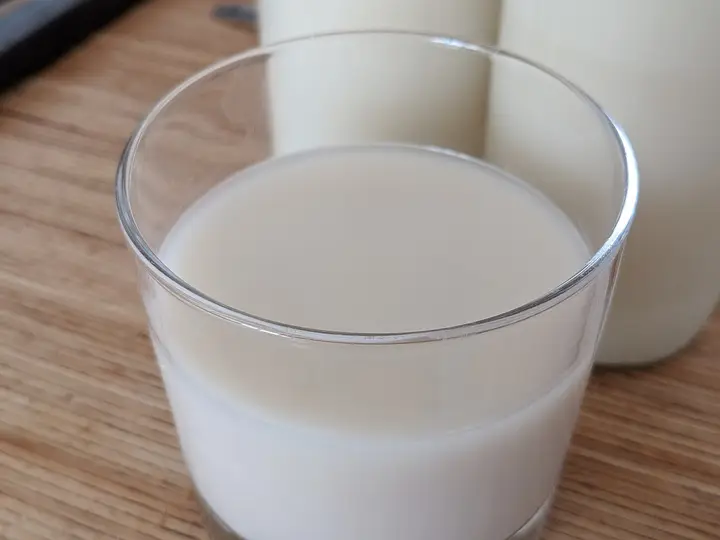
Photo: Shisma, CC BY 4.0, Wikimedia Commons, cropped.
- Labels
How to choose a breakfast cereal without being fooled by the box
A cereal can be high in fibre and high in sugar at once. Four checks on the back of the pack sort out most of what the front leaves out.
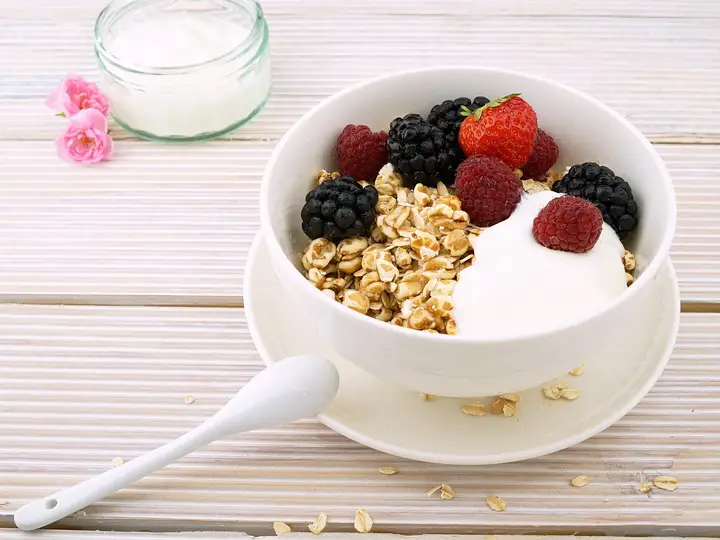
Photo: David Stewart, CC BY 2.0, Wikimedia Commons, cropped.
- Wholegrains
Is my bread really wholegrain? How to read the words on the wrapper
A dark crust and a seeded top tell you very little. The first few words of the ingredients list tell you nearly everything.
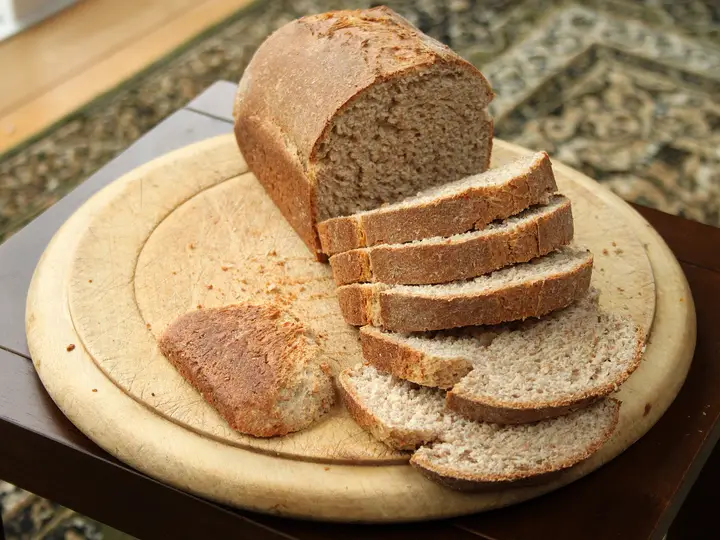
Photo: muffinn from Worcester, UK, CC BY 2.0, Wikimedia Commons, cropped.
- Oats
Can oats lower your cholesterol, and how much would it take?
They can help, but the figure that counts is 3g of beta-glucan a day, and a standard bowl of porridge gets you about two thirds of the way.
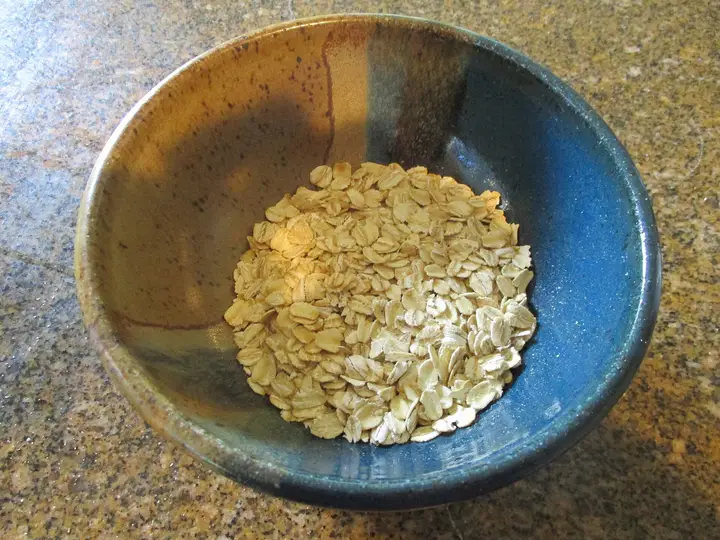
Photo: Bodhi Peace, CC BY-SA 4.0, Wikimedia Commons, cropped.
- Oats
Is porridge actually good for you?
Yes, for most people. Plain oats have a lot going for them, and the things that spoil a bowl are nearly all added afterwards.
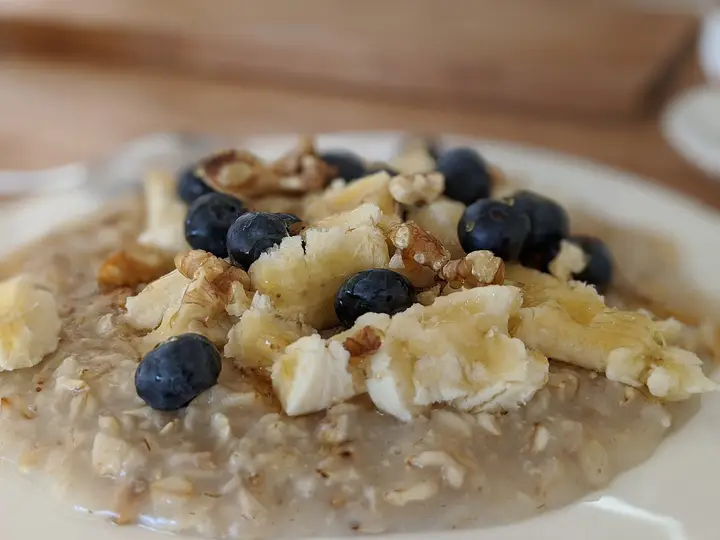
Photo: Shisma, CC BY 4.0, Wikimedia Commons, cropped.
- Fibre
How much fibre do you need a day?
The UK figure for adults is 30g. Most of us are about 10g short, and the gap closes with fewer changes than you might expect.
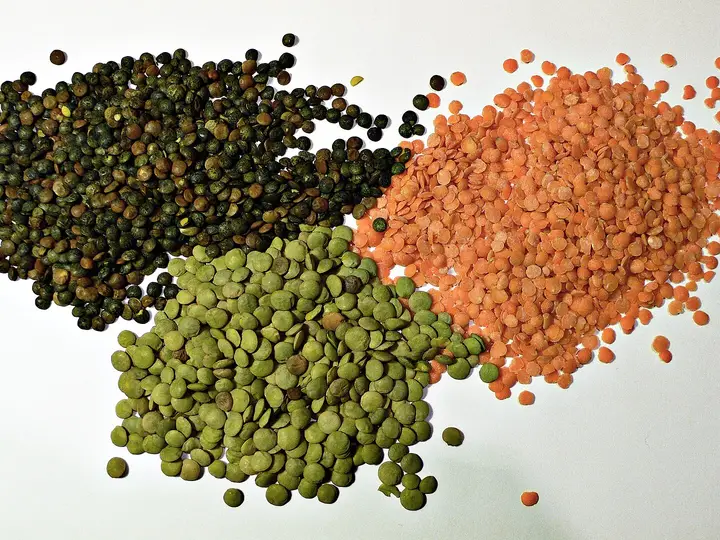
Photo: Justinc, CC BY-SA 2.0, Wikimedia Commons, cropped.


